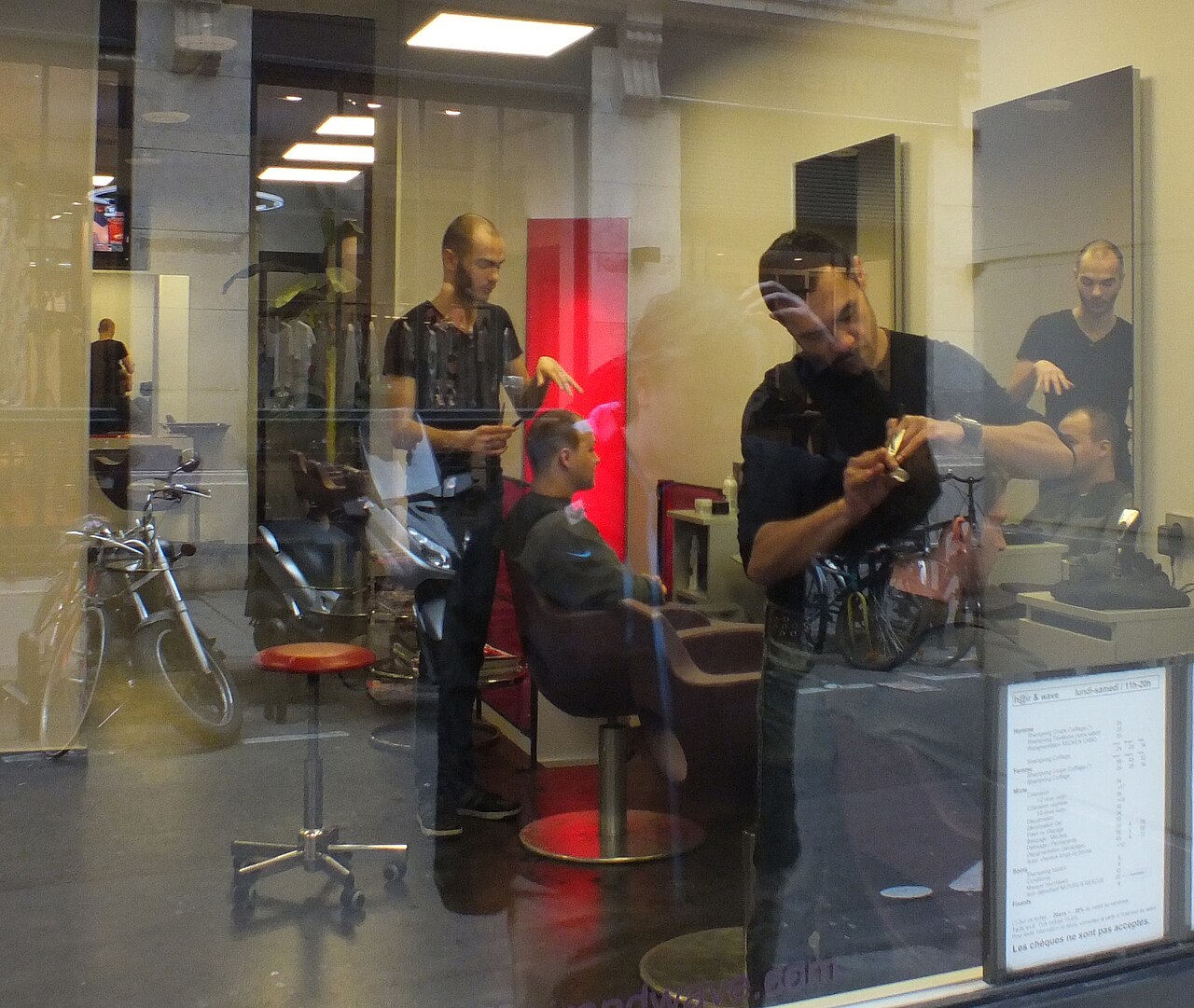
Comfort belongs in the consultation. Pain is a reason to change a tight style, not a sign of a better result.
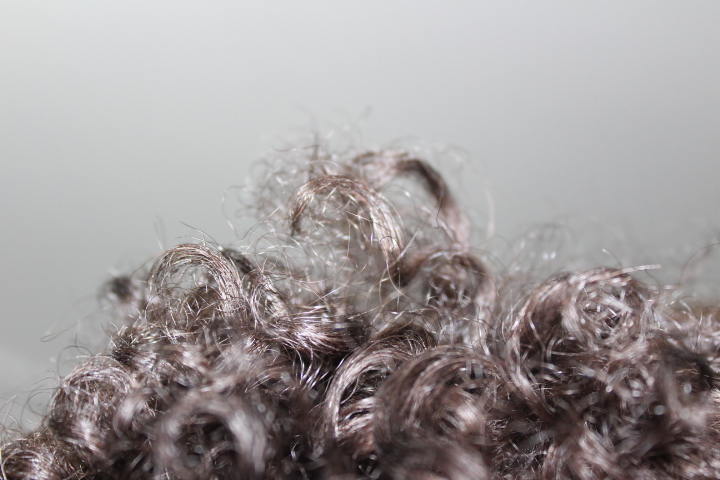
Focus on the pulling
The American Academy of Dermatology describes traction alopecia as hair loss caused by repeated pulling. Its guidance covers a range of tight styles and notes that anyone can be affected. The risk discussion is about tension and repeated stress, rather than a judgment about a person’s texture or cultural style.
Make room to speak up
The AAD advises changing a style if it causes pain, stinging, crusting, or visible pulling of the scalp. It recommends avoiding frequent tight styling and seeking a dermatologist’s help for hair loss. These are general guidance points, not a diagnosis of a particular scalp or an instruction to self-treat.
Use a concrete consultation prompt
Our suggested question is: how will we check comfort during the appointment, and what should I do if the style becomes uncomfortable afterward? Put that conversation alongside the visual reference. A client should know how to raise a concern without feeling that they are disrupting the service.
Keep the roles clear
A stylist can discuss the service and adjust a styling plan; diagnosing the cause of hair loss belongs with a qualified clinician. Our linked source is dermatology guidance. It is not evidence that a named stylist, technique, or product has been independently tested.
Sources & context
Sources checked on 19 September 2026. The notes below identify their scope; linking a study is not an endorsement or a clinical review. Worked scenarios and editorial frameworks are our own.
- American Academy of Dermatology · Hairstyles that pull can lead to hair loss ↗Dermatology guidance · checked 2026-09-19
Research drafts are preserved context, not proof for the guide above. Their claims have not all been reverified. Educational information, not medical, legal, or tax advice.