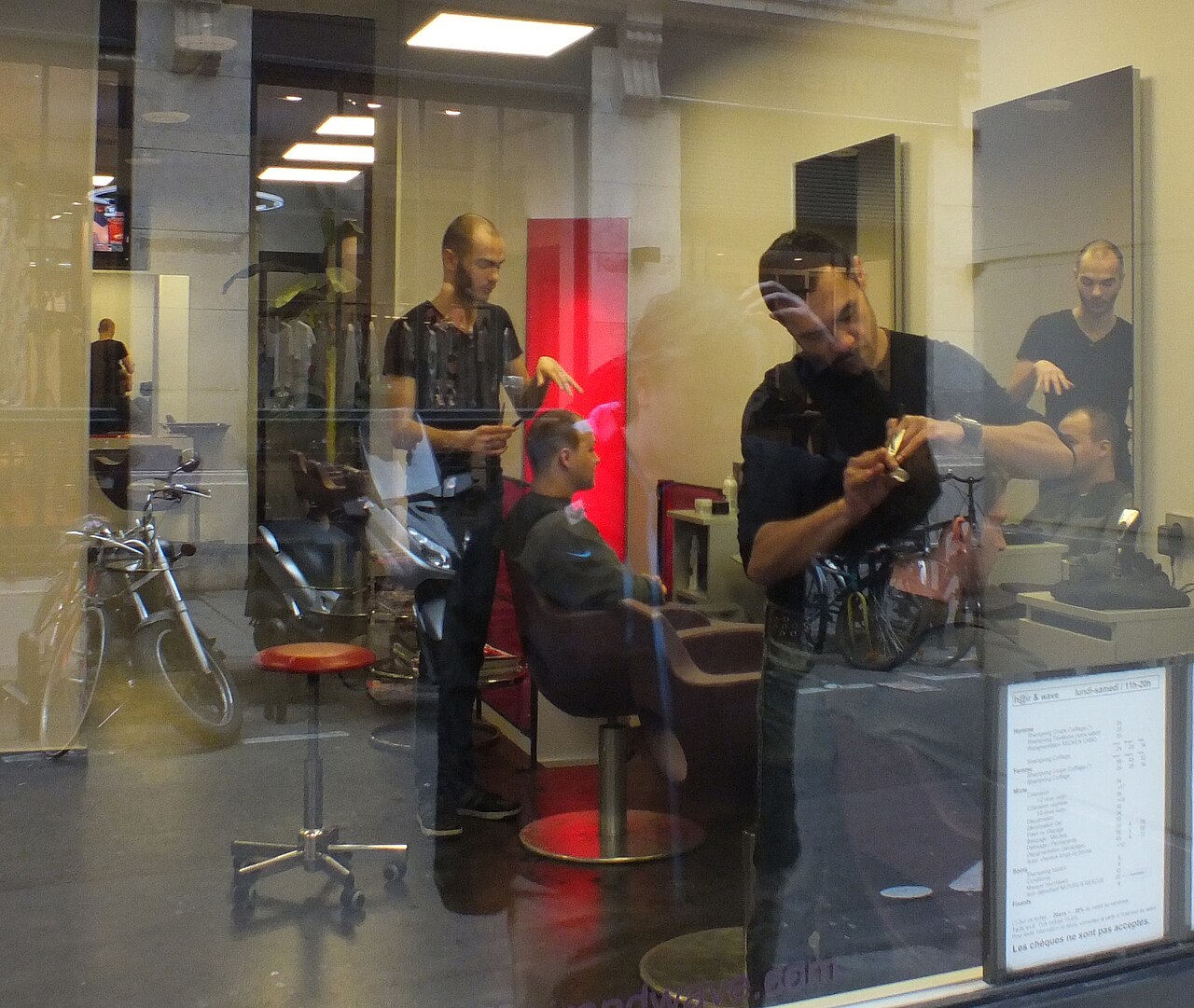
Choose the stylist and the process together; a branded method name cannot replace a shared plan for shape, shrinkage and maintenance.
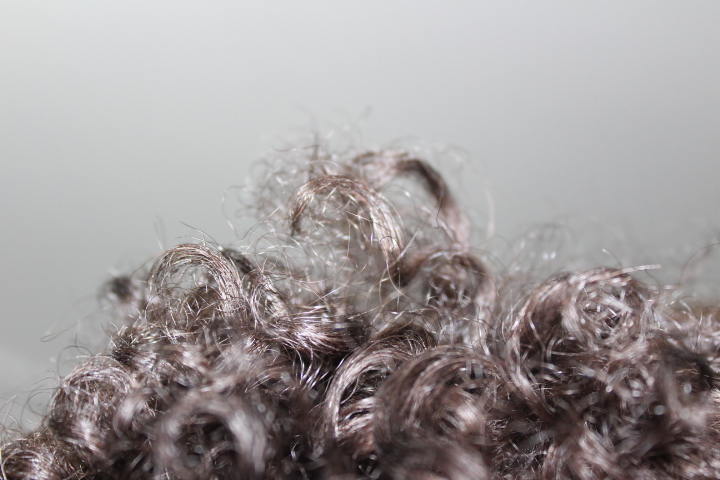
Start with the shape, not the label
A curl-cut menu can sound like a set of competing doctrines: dry or wet, curl-by-curl or sectioned, stretched or fully styled. Those labels describe parts of a process. They do not tell you whether a stylist can build the outline you want, account for the different patterns on one head, or teach you to reproduce the finish. Start with three visible decisions: where the perimeter should sit, where volume should collect, and how much variation in shrinkage the finished shape can tolerate. The short five-question curl consultation can help prepare that first conversation.
Bring references, but annotate them. “I like the height at the crown, the open forehead and the weight at the jaw” gives a stylist something testable. “Make mine exactly like this” does not account for density, length, pattern, styling or the photograph's lighting. This is editorial consultation advice, not evidence that one cutting system is superior.
What the main process choices reveal
A dry assessment shows the hair in a prepared, worn state and can make the visible outline easier to read. Its limitation is that today's set, product and humidity affect what the stylist sees. A wet assessment makes sectioning, tension and baseline length easier to compare; it may conceal the final amount and distribution of shrinkage. A curl-by-curl approach can respond to individual groupings, but those groupings can change after the next wash. A hybrid can check more than one state, but only if the appointment includes time to do so deliberately.
Ask what the stylist wants your hair to look like on arrival, what will be assessed before washing, when length will be agreed, and whether the final shape is checked after drying. Those answers matter more than the trademark on a certificate. Brand education can be useful training, but this guide found no independent head-to-head trial that ranks named curl-cut systems.
Use tension as a declared variable
Two cuts made at the same wet length can finish differently if one section was stretched more than another. Ask whether the stylist cuts at natural fall, under controlled tension, or after stretching, and how they compensate for areas that contract differently. If you alternate between a compact natural finish and an elongated blowout, say so before cutting: the plan may need to work in two states rather than optimize only one.
The American Academy of Dermatology's healthy-hair guidance advises gentle handling of wet hair and says tightly curled or textured hair can be combed while damp with a wide-tooth comb. That is general hair-care guidance, not a cutting rule. It supports a broader point: detangling and handling are part of the service design, not invisible preparation.
Run a two-week maintenance thought experiment
Before agreeing to the cut, walk through an ordinary wash day. Which products are essential to the demonstrated finish? Is the sectioning realistic at home? Does the shape still make sense if you air-dry, diffuse, wear a braid-out or pull the hair back? What happens as it grows for eight to twelve weeks? The purpose is not to predict every day. It is to expose a cut that depends on a routine you do not want.
A useful worked scenario: a client wants cheek-level framing but usually wears a low-tension bun on workdays. The consultation should check the framing both loose and gathered, agree on the shortest acceptable pieces, and record how the salon finished them. That is a better decision trail than “dry cut requested.”
Record the result without grading the client
Save the agreed shape notes, arrival state, assessment states, broad sectioning approach and finish steps. At the next appointment, review what held up and what did not. Avoid turning pattern numbers into a verdict about what a person can wear; density, strand size, condition, chemical history and routine all change the practical answer.
A method is successful when the result matches the agreement and remains workable between visits. If a stylist cannot explain how they will assess shrinkage, protect length boundaries and adapt a reference, keep looking. That is a purchasing decision about a service—not a claim that the stylist or method is unsafe.
Sources & context
Sources checked on 19 September 2026. The notes below identify their scope; linking a study is not an endorsement or a clinical review. Worked scenarios and editorial frameworks are our own.
- American Academy of Dermatology · Tips for healthy hair ↗Dermatology guidance · checked 2026-09-19 · source date 2024-08-12
Supports the limited points about gentle wet-hair handling and wide-tooth-comb use; it does not compare curl-cut systems.
Research drafts are preserved context, not proof for the guide above. Their claims have not all been reverified. Educational information, not medical, legal, or tax advice.