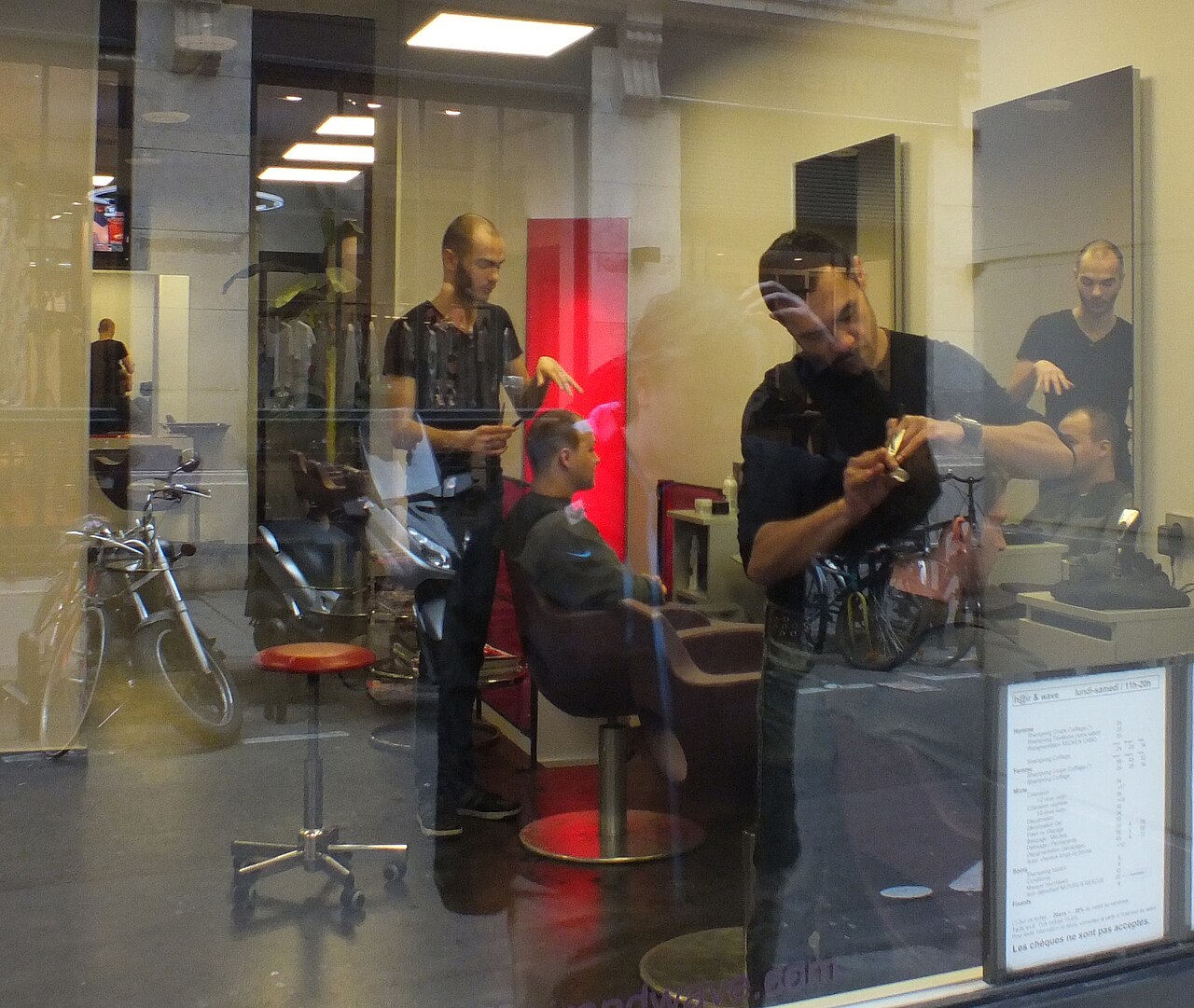
Tension, weight, repeated placement and time all belong in the plan; pain or visible pulling calls for change, not endurance.
Define what the style is protecting
“Protective” describes an intention, not a safety certificate. A style may reduce daily manipulation or keep ends contained while still adding tension, weight, adhesive exposure or difficult access for cleansing. Name the goal first: fewer daily detangling sessions, a particular look, weather convenience, a grow-out transition or access beneath a wig. Then choose the least demanding construction that can meet it.
The American Academy of Dermatology's traction guidance identifies repeated pulling as a cause of traction alopecia and lists tight braids, cornrows, locs, ponytails, extensions and weaves among possible sources when they pull. The guidance is about mechanical stress, not a judgment about culturally important styles or one texture. For the shorter warning-sign summary, see the tension note.
Use an installation stoplight
Green: the client can move their face and neck normally; the base does not visibly lift the scalp; there is no pain or headache; and access for planned cleansing is understood. Amber: a section feels distinctly tighter, weight concentrates at the hairline, a closure or clip rubs, or the client feels unable to speak up. Pause and adjust before continuing. Red: pain, stinging, crusting or visible scalp tenting. The AAD identifies these warning signs as reasons to change a style immediately and says a painful style is too tight.
Do not use “it will loosen” as the quality check. Record the attachment method, length or added weight, areas intentionally left out, and any adjustment made during installation.
Plan the weeks, not just the appointment
Set check-in points rather than one automatic removal date. The first is within the early wear period, when local tightness or rubbing becomes apparent. Later checks cover cleanliness, matting, slippage, edge stress and whether added hair has become harder to manage. The AAD's extension guidance says to wear weaves or extensions for two or three months at most and then switch to a style without them. Its traction page advises no longer than six to eight weeks for braids. These are upper-limit guidance points for different style categories, not targets or guarantees.
Hair growth, construction, activity, scalp access and comfort may require earlier removal. Do not extend wear simply because the style still looks presentable in photographs.
Reduce repeated load
Alternate the position of parts, ponytail anchors, clips and heavy lengths rather than stressing the same margin repeatedly. The AAD advises looser braids, thicker braids or locs, shorter lengths to reduce weight, and breaks from pulling styles. For weaves and extensions it emphasizes light weight, professional installation, clean natural hair and prompt loosening if pain or headache occurs.
Build cleansing around the actual construction. Decide how the scalp and accessible hair will be washed, how product will be rinsed, and how the base will dry. This guide does not prescribe a wash frequency for every scalp or a product regimen. If a stylist cannot explain access and drying for the proposed installation, that is a service-design gap.
Know when maintenance stops being a salon problem
Monthly, look for broken hairs at the forehead, recession or patches where the style pulls—the AAD's suggested self-check signs. Remove or change a style that hurts or visibly pulls. Hair loss has multiple causes, and a smooth or enlarging area, persistent symptoms, or loss that continues after the tension changes should be assessed by a board-certified dermatologist. A stylist can alter construction; they cannot determine the cause of hair loss.
Worked scenario: a client wants waist-length braids but reports that their temples felt sore during the last installation. The plan should not merely choose a different gel. It should reduce load and tension at that margin, consider shorter or lighter added hair, establish an installation stop signal, photograph the hairline only with consent for comparison, and agree that comfort outranks the reference length.
Sources & context
Sources checked on 19 September 2026. The notes below identify their scope; linking a study is not an endorsement or a clinical review. Worked scenarios and editorial frameworks are our own.
- American Academy of Dermatology · Hairstyles that pull can lead to hair loss ↗Dermatology guidance · checked 2026-09-19
Supports tension risks, warning signs, monthly checks, looser and lighter styling, breaks, and the six-to-eight-week braid limit.
- American Academy of Dermatology · How to prevent hair damage from a weave or extensions ↗Dermatology guidance · checked 2026-09-19
Supports pain/headache as excessive tightness, care of natural hair, and the two-to-three-month maximum followed by a break.
Research drafts are preserved context, not proof for the guide above. Their claims have not all been reverified. Educational information, not medical, legal, or tax advice.