A universal temperature recommendation leaves out too much of the routine.
Read the whole routine
The American Academy of Dermatology advises using lower heat settings and limiting the time a hot tool touches the hair. Its guidance also distinguishes between tools: it advises flat irons on dry hair at a low or medium setting and suggests allowing hair to air-dry when possible before blow-drying.
Ask what the setting means
Our suggested approach is to discuss the tool, its instructions, and the finish you are trying to achieve together. A dial reading alone does not document how the appointment was performed. Record the choices you want to discuss with a stylist rather than treating an online number as a personal prescription.
Compare the practical details
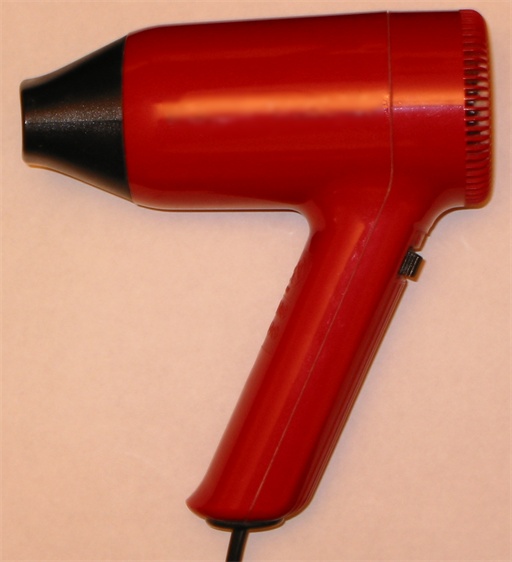
For a tool comparison, make a shortlist of features you can actually inspect: controls, weight, attachments, cord length, cleaning instructions, warranty, and service arrangements. Keep manufacturer performance claims in a separate column unless you have comparable independent tests.
Stay within the evidence
This guide does not establish a universally safe temperature or certify heat-protection claims. It uses the linked dermatology guidance for general hair-care context. The equipment comparison prompts are editorial suggestions, not the results of a laboratory test.
Sources & context
Sources checked on 19 September 2026. The notes below identify their scope; linking a study is not an endorsement or a clinical review. Worked scenarios and editorial frameworks are our own.
- American Academy of Dermatology · 10 hair care habits that can damage your hair ↗Dermatology guidance · checked 2026-09-19
Research drafts are preserved context, not proof for the guide above. Their claims have not all been reverified. Educational information, not medical, legal, or tax advice.