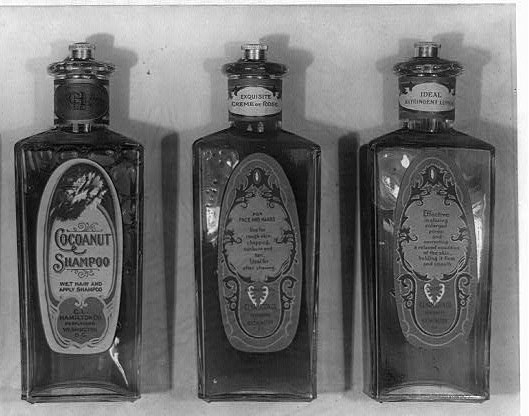
Treat the front label as a claim to examine. Read the ingredients and the instructions alongside it.
Begin with a specific question
Instead of asking whether a bottle is broadly “good,” decide what you need to understand. Is it intended for a particular use? Is there an ingredient you have been told to avoid? Are you comparing the product itself or the story around it? Specific questions make the label easier to read.
What FDA guidance adds
The FDA advises checking ingredient information rather than relying only on terms such as “hypoallergenic” or “for sensitive skin.” Its allergens page says these terms have no governing federal standard or definition in the United States. It also notes that individual fragrance ingredients may appear collectively as fragrance or perfume.
Ask for the missing information
If the label does not answer your question, the FDA suggests contacting the listed manufacturer. Our editorial habit is to keep a record of exactly what was asked and what the reply actually establishes. A claim about one ingredient is not automatically a test of the complete formula.
Keep your comparison modest
Compare the same kind of information across products: intended use, instructions, ingredient disclosure, pack size, and cost. This is a reading framework, not an ingredient blacklist. A healthcare professional can help with suspected allergy; an attractive package or a reassuring label cannot settle that question.
Sources & context
Sources checked on 19 September 2026. The notes below identify their scope; linking a study is not an endorsement or a clinical review. Worked scenarios and editorial frameworks are our own.
- FDA · Allergens in Cosmetics ↗Regulator guidance · checked 2026-09-19
Research drafts are preserved context, not proof for the guide above. Their claims have not all been reverified. Educational information, not medical, legal, or tax advice.