Markup uses cost as its denominator; gross margin uses sales. Neither tells you what is left after every cost of running retail.
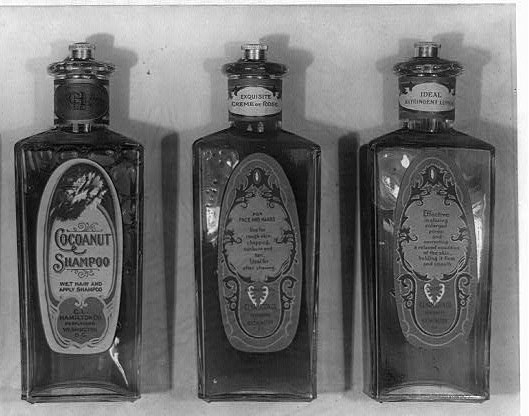
Begin with a single bottle
Retail can support a useful home-care plan and a business at the same time, but a shelf full of products is not the same as available cash. Before adding a line, follow a hypothetical bottle through the numbers.
Assume its purchase cost is $12 and its selling price is $24, excluding sales tax. The difference is $12. Markup on cost is $12 divided by $12, or 100%. Gross margin as a percentage of sales is $12 divided by $24, or 50%. These are two descriptions of the same transaction, not competing estimates. The OpenStax retail-pricing chapter explains this denominator distinction. No actual brand or wholesale agreement is represented here.
Then use the price you actually collected
Now offer a 20% discount. The customer pays $19.20, leaving $7.20 above the $12 goods cost. Gross margin falls to 37.5%, not 40%. The discount reduced revenue while the bottle’s cost stayed unchanged.
| Original scenario | Full price | 20% discount |
|---|---|---|
| Collected product revenue | $24.00 | $19.20 |
| Goods cost | $12.00 | $12.00 |
| Gross profit before other costs | $12.00 | $7.20 |
| Gross margin | 50% | 37.5% |
| Illustrative 3% payment fee | $0.72 | $0.58 |
| Remainder after that fee | $11.28 | $6.62 |
The payment rate is invented for the example. Real contracts can include percentage and flat charges and different treatments of refunds. Rounding here is to cents. Freight, staff time, testers, rent, and other costs have not yet been deducted; the remainder is not net profit.
Treat stock as a commitment
Imagine buying 12 bottles at $12: $144 leaves your cash account. You sell eight at $24 and designate one as a tester. You have collected $192, retain three saleable bottles, and consumed one for demonstration. The $96 cost of the eight sold bottles is not the same thing as the original $144 cash outlay.
Keep a separate record for saleable inventory, testers, damaged items, returns, and gifts. Otherwise an apparently generous margin can conceal stock that never becomes a paid sale. Agree with your bookkeeper how these categories enter the accounts; this example describes management questions, not a prescribed tax treatment.
Track reorder decisions by SKU rather than by the attractiveness of the whole display. Record units sold, units on hand, expected delivery time, minimum order, and any supplier expiry or return conditions. A small assortment that supports real client needs is easier to learn from than an unmeasured expansion.
Allocate costs without counting them twice
Landed cost can include costs associated with acquiring stock, but your accounting treatment should be consistent. For a practical buying comparison, note shipping and order minimums alongside unit prices. A lower wholesale price with a large minimum order may tie up more cash than you are comfortable committing.
If a team member receives a retail commission, model it separately from goods cost. Also identify who funds samples and discounts. Do not subtract the same commission in both an inventory worksheet and the overhead number you carry into another model. Comparing chair arrangements requires that same discipline: retail sales belong to the party selling the goods; a worker’s retail commission is a different cash flow.
Let the recommendation survive the sales target
A sound retail conversation starts with the client’s routine, budget, preferences, and the product’s actual purpose. Explain what it is meant to change, how to use it according to its instructions, and what it cannot promise. Use formula literacy to keep an ingredient story from becoming a blanket superiority claim.
For your monthly review, compare collected sales, goods cost, markdowns, stock movement, and directly attributable selling costs. Keep gross margin and cash available in separate columns. If you cannot explain why an item is on the shelf beyond its nominal markup, pause the reorder and examine the fit—not just the percentage.
Sources & context
Sources checked on 19 September 2026. The notes below identify their scope; linking a study is not an endorsement or a clinical review. Worked scenarios and editorial frameworks are our own.
- OpenStax: Retailing Strategy Decisions ↗Educational textbook · checked 2026-09-19
Markup and gross-margin definitions only. The bottle, stock and payment scenarios are original calculations.
Research drafts are preserved context, not proof for the guide above. Their claims have not all been reverified. Educational information, not medical, legal, or tax advice.